Cracked or Broken Tooth
Hold the tooth together before it splits. Here is what is usually going on, how each treatment fixes it, and how to choose between them.
- treatments to weigh, from the smallest fix to the most durable
- 3
- new patient exam and x-rays to find out which one fits
- $99
- patient comfort is the number one priority
- Nothing in pain
What’s going on?
A cracked tooth often announces itself before you can see it. Biting down hurts in one sharp spot, then eases when you let go. Cold hits harder than it used to. Sometimes a corner simply comes away on a piece of ice or a hard candy, and your tongue keeps finding the rough edge. Other times the crack is hairline and the only clue is that one tooth you have quietly stopped chewing on.
The reason it matters is that a crack does not heal and does not stay put. Every bite flexes the two halves, and the line works its way down toward the root. If it reaches the nerve, the tooth becomes infected. If it reaches below the gum, the tooth is usually lost. The sooner the tooth is held together, the more of it Dr. Bhoompalli can keep, which is why an exam and an x-ray are the first step.

Sound familiar?
Book a consultation
Cap it, treat the nerve, or rebuild the corner
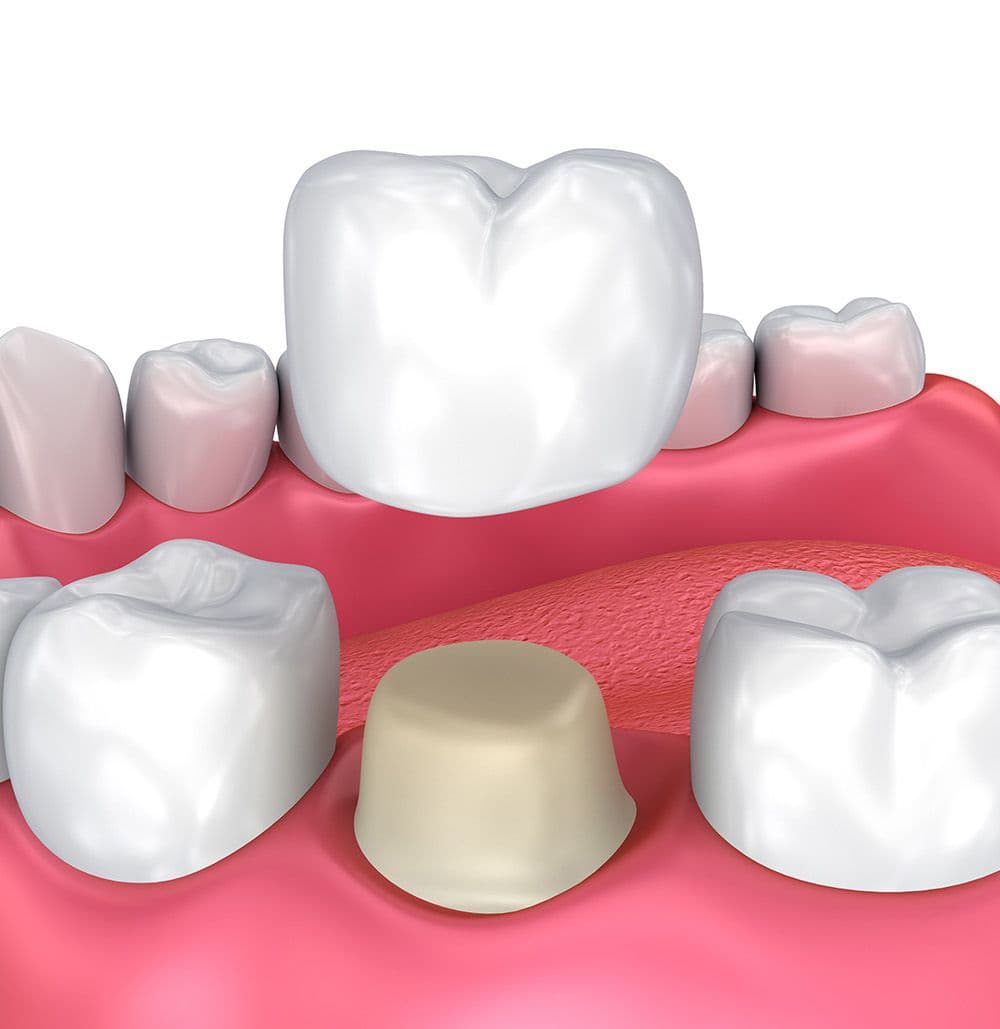
Dental crowns are the standard repair for a crack or a large break. A crown is a custom cap that fits over the whole visible part of the tooth and holds what is left of it together, so the crack cannot spread down into the root. It takes two visits: the tooth is shaped and a temporary crown goes on, then the permanent one is fitted, checked against your bite, and cemented. Porcelain and ceramic suit teeth that show, while metal is the strongest choice for molars that do the heavy chewing. Dr. Bhoompalli checks how the new crown meets the opposite tooth before you leave.
When the crack has reached the nerve, the inside of the tooth is treated first. Root canal therapy removes the infected pulp, cleans and shapes the canals inside the roots, and seals them, which ends the pain because its cause is gone. You are completely numb before anything begins; we do not do anything in pain here, and a tooth that is hurting now is treated as an emergency. A root canal usually takes a few hours. Because a tooth without its pulp becomes brittle, a back tooth is almost always finished with a crown at a separate appointment.
A small corner off an otherwise healthy tooth does not need any of that. Dental bonding rebuilds the missing piece with tooth-colored composite resin, sculpted and polished right on the tooth in a single visit. Little or no enamel is removed, so most cases need no numbing at all. The honest limit is strength: resin is not as hard as porcelain, so bonding is not the right choice for a back tooth under heavy chewing or for a break that has taken a large part of the tooth. For those, a crown holds up better.
Visits, cost, and the cost of waiting
Bonding is the quickest and least expensive route, at $300 to $600 per tooth and one appointment, and it leaves every other option open later. A crown runs $800 to $1,500 depending on the material and the tooth, over two visits, and lasts 5 to 15 years with good care. Most dental plans cover a portion of a crown that restores a damaged tooth. If you are unsure which side of the line your tooth falls on, crown or filling walks through how that call is made.
A root canal typically runs $300 to $2,000 depending on the tooth, with molars at the higher end, and root canals are currently $200 off. The crown that follows is a separate fee, which is the part patients most often do not expect. Before you compare numbers, read whether a root canal quote includes the crown. Extraction can look cheaper on the day, but the gap costs more later: neighbors drift, bone shrinks, and replacing the tooth costs more than saving it would have. Keeping your own tooth is the conservative choice, and the one Dr. Bhoompalli favors.
Leaving a crack alone is the expensive option. Bonding becomes a crown, a crown becomes a root canal and a crown, and a crack that runs below the gum ends in an extraction. What the exam decides is how deep the damage goes: whether the nerve is involved, whether enough sound tooth remains for a filling or bonding to hold, and whether the tooth is worth saving. Dr. Bhoompalli recommends the smallest repair that will keep the tooth sound, and you will know the fee before anything starts. If it hurts now, call; a tooth in pain is treated as an emergency here.
The treatments we reach for.
Listed from the smallest fix up. Your exam decides which actually fits your mouth, your budget, and your patience.
Book a consultation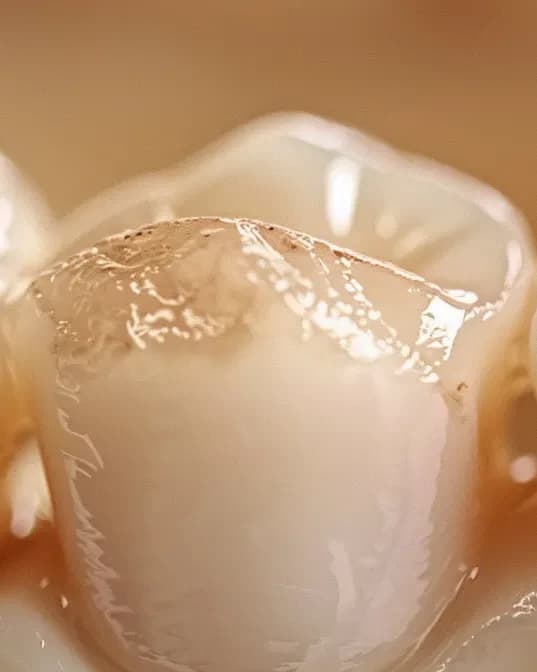 Where to start
Dental Crowns
The standard repair for a crack or a large break: a cap over the whole tooth.
Option 2Root Canal Therapy
If the crack has reached the nerve, the tooth is treated inside first, then crowned.
Option 3Dental Bonding
A small corner off an otherwise healthy tooth can be rebuilt with composite.
Where to next?
Common question
What changes the cost of a dental crown in Duluth?
Compare dental crown estimates in Duluth by material, preparation, temporary care, and additional treatment.
Read the answer
Common question
Does a root canal quote include the final crown?
Check whether a root canal estimate includes the final crown or filling and understand the complete treatment plan.
Read the answer
Related concern
Toothache or Sensitivity
Find the cause, then the smallest fix that ends it
Explore the concern
Bring the Concern.
Leave With a Plan.
Prefer to talk? Call 770-814-7600 during office hours.
Medically reviewed by Dr. Madhavi Bhoompalli, DDS, dentist and owner at Johns Creek Family Dentistry. Last reviewed September 2026. This page is for education and is not a substitute for an examination by a licensed dentist.