Toothache or Sensitivity
Find the cause, then the smallest fix that ends it. Here is what is usually going on, how each treatment fixes it, and how to choose between them.
- treatments to weigh, from the smallest fix to the most durable
- 3
- new patient exam and x-rays to find out which one fits
- $99
- patient comfort is the number one priority
- Nothing in pain
What’s going on?
Tooth pain arrives in different shapes. A sharp zing when ice water or dessert touches one tooth. An ache that hangs on after the hot coffee is gone. A tooth that hurts when you bite down on it, or a throb that wakes you at night. Each is a message, and they do not all mean the same thing. What they share is that waiting makes them worse. A cavity does not heal on its own; it only grows inward toward the nerve. The same tooth that needed a small filling at your checkup can need a root canal a year later.
What decides the treatment is how far the problem has gone. Decay that has reached the softer dentin under the enamel is usually a filling. Pain that lingers, or wakes you up, points to an inflamed or infected nerve. A tooth that hurts under pressure may be cracked and need to be held together. Only an exam and an x-ray with Dr. Bhoompalli can tell which, and she looks for the smallest repair that will keep the tooth sound. Whatever the answer, nothing is done in pain here. You are fully numb before anything starts.

Sound familiar?
Book a consultation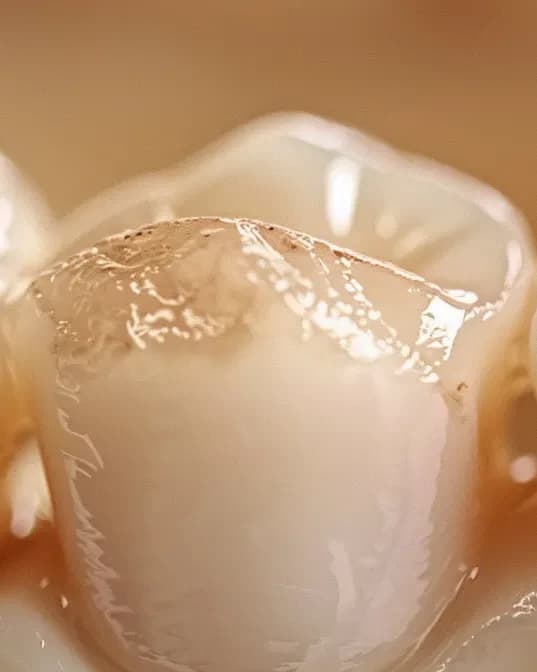
Small cavity, deep nerve, or a crack
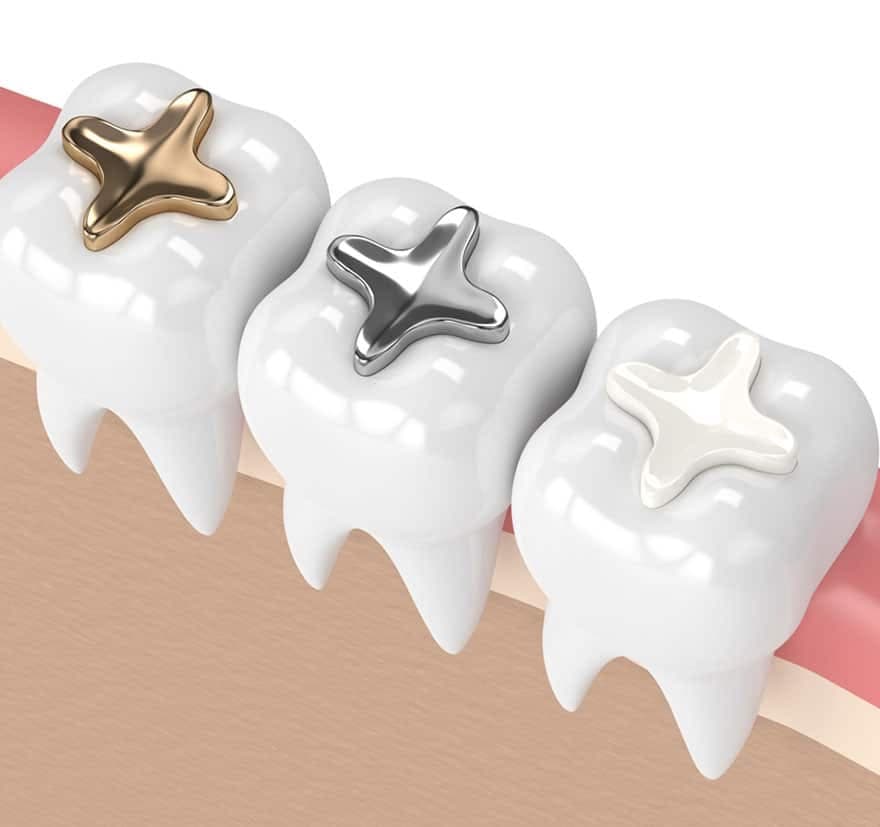
When sensitivity to cold or sweets comes from a small cavity, dental fillings are the fix, and usually the whole fix. The area is numbed, the decay is cleaned out, and a tooth-colored composite is placed in thin layers and hardened with a light. Dr. Bhoompalli shapes it to match the tooth and checks your bite before you leave. A filling is done in a single visit, and a composite filling typically lasts five to seven years. Small cavities often cause no pain at all, which is why most are found on checkup x-rays rather than by the patient.
A deep, throbbing ache, sensitivity to heat that lingers, or swelling in the gum means bacteria have reached the pulp, the soft core of nerve and blood vessels inside the tooth. That is where root canal therapy comes in. With the tooth completely numb, Dr. Bhoompalli removes the infected pulp, cleans and shapes the canals inside the roots, and seals them. The pain stops because its cause is gone. A root canal usually takes a few hours, and a tooth in pain is treated as an emergency here. Most patients report the root canal itself was painless.
A tooth that hurts when you bite down may be cracked, or may have a failing old filling that has left too little tooth to patch. Dental crowns handle that case. A crown is a custom cap over the whole visible tooth that holds what is left together so the crack cannot spread down into the root. It takes two visits: shaping and an impression first, then the permanent crown is fitted and the bite is checked. A crown is also how most back teeth are finished after a root canal, because a tooth without its pulp becomes brittle.
Visits, cost, and what waiting costs
A filling is the shortest path: one visit, and you can go back to work or school right after. The fee depends on the size of the cavity and how many surfaces it covers, most dental plans cover a portion, and your exact fee is set at the consultation before anything is done. Some sensitivity to cold or pressure for a few days afterward is normal. If a spot on an x-ray is small enough, sometimes the right call is to watch it rather than fill it; filling or monitoring explains how that decision gets made.
Root canal therapy typically runs $300 to $2,000 depending on the tooth, with molars at the higher end, and root canals are currently $200 off. The crown that usually follows is a separate fee, $800 to $1,500 depending on material and tooth, and most plans cover part of a crown that restores a damaged tooth. Pulling the tooth is quicker and cheaper on the day, but neighboring teeth drift, bone shrinks, and replacing it later costs more than saving it would have. Root canal or extraction lays out that comparison plainly.
The cost of waiting is the part patients underestimate. Pain that fades can mean the nerve has died, which feels like improvement but is not; the infection keeps spreading into the bone. A crack left alone can run down into the root, where the tooth is lost. So if a tooth hurts now, call. If you are anxious about dental work, say so when you book: anti-anxiety medication and music are available, and Dr. Bhoompalli explains every step before it happens. The exam settles which of the three repairs you need, and you will know before anything starts.
The treatments we reach for.
Listed from the smallest fix up. Your exam decides which actually fits your mouth, your budget, and your patience.
Book a consultation Where to start
Dental Fillings
Sensitivity to sweets or cold from a small cavity is usually a filling.
Option 2Root Canal Therapy
A deep, lingering ache or pain that wakes you up points to the nerve, and a root canal saves the tooth.
Option 3Dental Crowns
A tooth that hurts when you bite down may be cracked; a crown holds it together.
Where to next?
Common question
Root canal or extraction: can your tooth be saved?
Understand the decision between saving a tooth with root canal treatment and extraction, including the final restoration.
Read the answer
Common question
Do you need a crown or another filling?
Learn how remaining tooth structure affects the choice between a filling and a crown before your Duluth dental visit.
Read the answer
Related concern
Cavities or Decay
Caught early it is a filling; caught late it is more
Explore the concern
Bring the Concern.
Leave With a Plan.
Prefer to talk? Call 770-814-7600 during office hours.
Medically reviewed by Dr. Madhavi Bhoompalli, DDS, dentist and owner at Johns Creek Family Dentistry. Last reviewed September 2026. This page is for education and is not a substitute for an examination by a licensed dentist.