Periodontal Treatment in Johns Creek
Gum disease is a major cause of tooth loss in adults, and it rarely hurts until it is advanced. Dr. Bhoompalli treats it early and conservatively, with deep cleanings, close follow-up, and a plan built around keeping your own teeth.
- a full-mouth deep cleaning is done one area at a time, over more than one visit
- In sections
- than every six months for maintenance cleanings once your gums are treated
- More often
- before every deep cleaning, so treatment is not painful
- Numbed

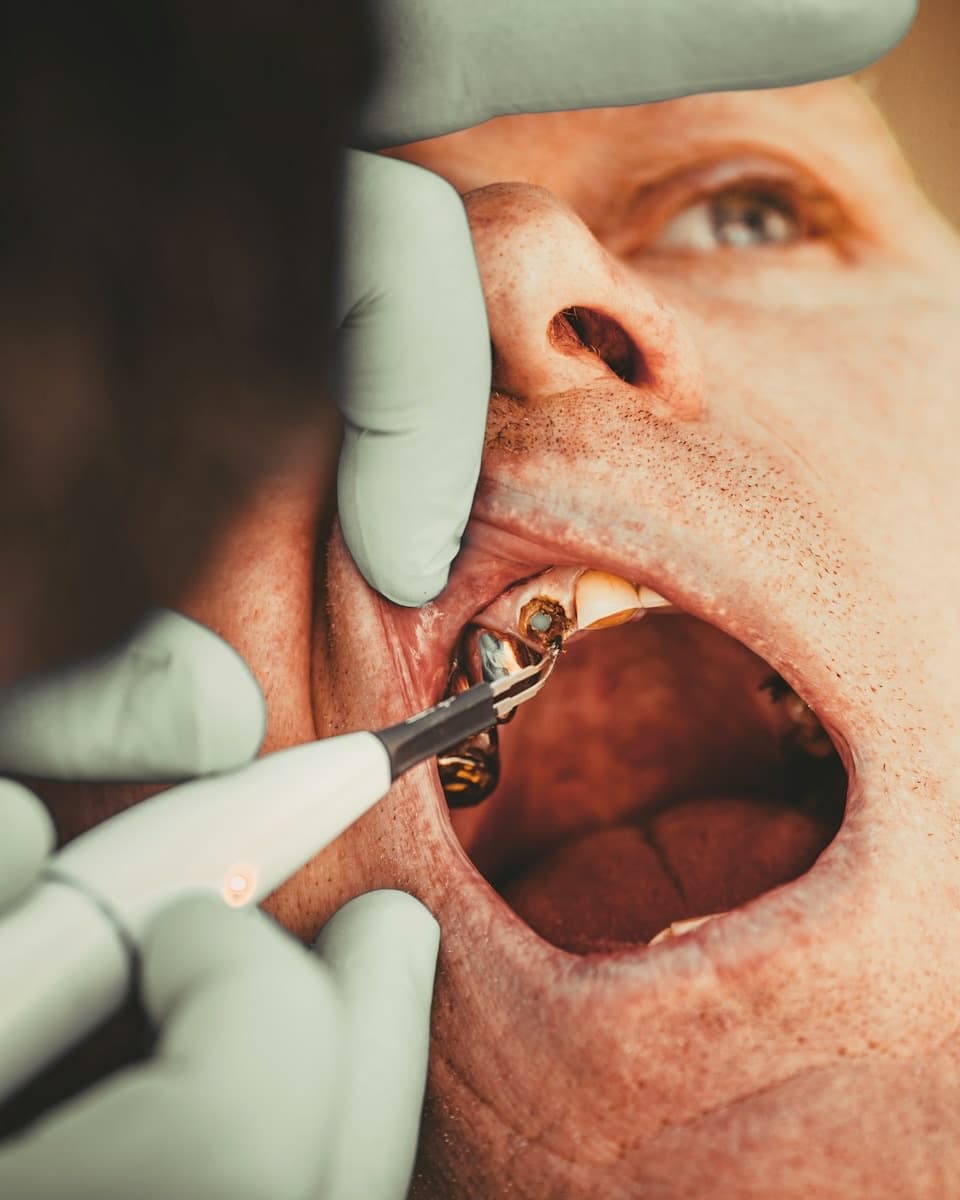
Gums that
bleed or ache?
Book a consultationWhat is
periodontal disease?
Periodontal disease is an infection of the gums and the bone that holds your teeth in place. It begins with plaque, the sticky film of bacteria that builds up on your teeth every day. Left in place, plaque hardens into tartar, the gums become inflamed, and pockets open up between the gum and the tooth where more bacteria collect.
Early on, this is gingivitis: red, puffy gums that bleed when you brush. Untreated, it becomes periodontitis, where the bone supporting the teeth slowly breaks down. Teeth loosen, gums recede, and eventually teeth can be lost. Because it is usually painless, many people do not know they have it until a dentist measures their gums, especially after years away from the dentist.
Treatment depends on how far it has progressed. Most cases are handled with scaling and root planing, a deep cleaning that removes plaque and tartar from below the gumline and smooths the roots so bacteria have a harder time sticking, followed by periodontal maintenance visits to keep the pockets from refilling. Abscesses are drained and cleaned, antibiotics are used when needed, and advanced cases may call for surgery or a referral to a periodontist.
At Johns Creek Family Dentistry, gum treatment starts with prevention and the least invasive option that will work. Dr. Bhoompalli measures your gums at every checkup, so problems are caught while a deep cleaning is still enough.
How long does periodontal treatment take?
A deep cleaning is usually done over more than one visit, one section of the mouth at a time, so you are only numb on one side per appointment. You come back a few weeks later so Dr. Bhoompalli can measure how the gums have healed. After that, maintenance cleanings come more often than the usual six months to keep the disease from returning.
Does a deep cleaning hurt?
Your gums are numbed before we begin, so the cleaning itself should not hurt. We do not do anything in pain here. Afterward, your gums may feel tender and your teeth a little sensitive to cold for a few days. An over-the-counter pain reliever is usually all you need.
How much does periodontal treatment cost?
It depends on how many sections of the mouth need treatment and how advanced the disease is. Most dental plans cover part of periodontal therapy, and we accept most insurance. Your exact fee is set at your consultation, after Dr. Bhoompalli has measured your gums and knows what you need.
How do I care for my gums after treatment?
Brush twice a day with a soft brush, floss once a day, and keep every maintenance appointment. Those visits are the treatment, not an add-on: gum disease comes back in the pockets a regular cleaning cannot reach. If you smoke, quitting is the single biggest thing you can do for your gums.
Do you need periodontal treatment?
Gum disease is quiet. Bleeding is the warning, and it comes long before pain.
Many adults have gum disease and never feel it. A regular cleaning handles gingivitis. Deeper pockets, bone loss, or an abscess need periodontal treatment. The only way to know which you have is an exam where Dr. Bhoompalli measures the pockets around each tooth and reviews your x-rays.
Gums that bleed when you brush or floss
The earliest and most common sign. Healthy gums do not bleed from normal brushing.
Red, swollen, or tender gums
Inflammation along the gumline, especially between the teeth, means plaque has been there too long.
Bad breath that will not go away
Bacteria living in gum pockets produce an odor that brushing and mouthwash only cover up.
Receding gums or teeth that look longer
As the gum pulls back, more of the root shows and teeth become sensitive to hot and cold.
Loose teeth or a change in your bite
Bone loss lets teeth shift and loosen. Pain when chewing is another sign the support is failing.
Diabetes, smoking, or a family history of gum disease
Each raises your risk and makes closer monitoring worthwhile even before symptoms appear.
Questions about gum treatment
What patients ask once they have been told their gums need attention. Anything not covered here is a phone call away.
Still have a question? Call 770-814-7600 or text the same number.
Page updated September 2026
What causes gum disease in the first place?
Plaque. It is a sticky film of bacteria that forms on your teeth every day, and when it is not brushed and flossed away it hardens into tartar along the gumline. Smoking, certain medications, diabetes, and family history all raise your risk, but plaque is where it starts.
Can gum disease be reversed?
Gingivitis, the early stage, can be reversed completely with a professional cleaning and better home care. Once it has progressed to periodontitis and bone has been lost, the damage does not grow back on its own, but the disease can be stopped and kept stable for years with treatment and regular maintenance.
Is bleeding when I brush normal?
No. Healthy gums do not bleed from brushing or flossing. Bleeding is usually the first sign of inflammation, and it is the best time to come in, because at that stage the problem is still simple to treat.
What is a periodontal abscess?
A pocket of infection in the gum that swells, throbs, and sometimes drains pus. It needs to be seen promptly. Dr. Bhoompalli drains it, cleans the area beneath the gum, and may prescribe antibiotics. Rinsing with warm salt water helps with the swelling until you get in, but it will not clear the infection by itself.
Does gum disease affect the rest of my body?
Research links periodontal disease to heart disease, diabetes control, and other conditions. The connection is still being studied, but chronic inflammation in the mouth is not something to leave alone. Dr. Bhoompalli looks at your gums as part of your overall health, not just your teeth.
What if I need gum surgery?
Advanced cases sometimes need more than a deep cleaning: flap surgery to reach deep pockets, gum grafting for recession, or bone work before an implant. Dr. Bhoompalli will explain what is needed and coordinate with a periodontist when a case calls for one.
Does smoking really make a difference?
It is one of the biggest risk factors there is. Smoking hides the bleeding that would normally warn you, slows healing after treatment, and makes gum disease progress faster. Quitting improves your odds more than almost anything else you can do.
Where to next?
Related treatment
Cleanings & Exams
A cleaning every six months keeps tartar off your teeth and gum disease away, and the exam that comes with it catches problems while they are still small.
Explore the treatment
Related concern
It Has Been Years
No lectures. A thorough exam and a fresh start
Explore the concern
Common question
Deep cleaning or regular cleaning: why are they different?
Learn why scaling and root planing differs from routine cleaning and what findings should support the recommendation.
Read the answer