Cavities or Decay
Caught early it is a filling; caught late it is more. Here is what is usually going on, how each treatment fixes it, and how to choose between them.
- treatments to weigh, from the smallest fix up
- 2
- new patient exam and x-rays to find out which one fits
- $99
- patient comfort is the number one priority
- Nothing in pain
What’s going on?
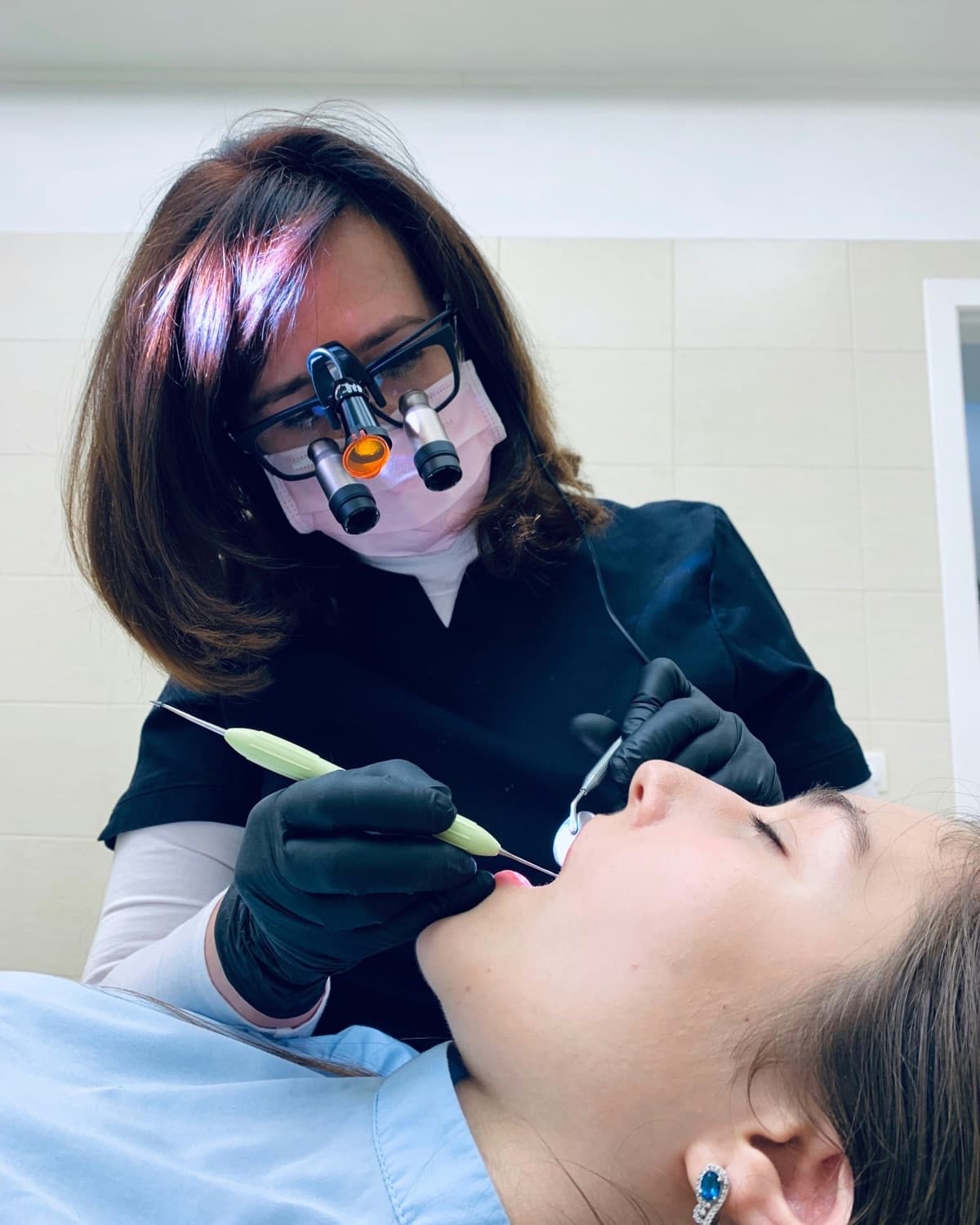
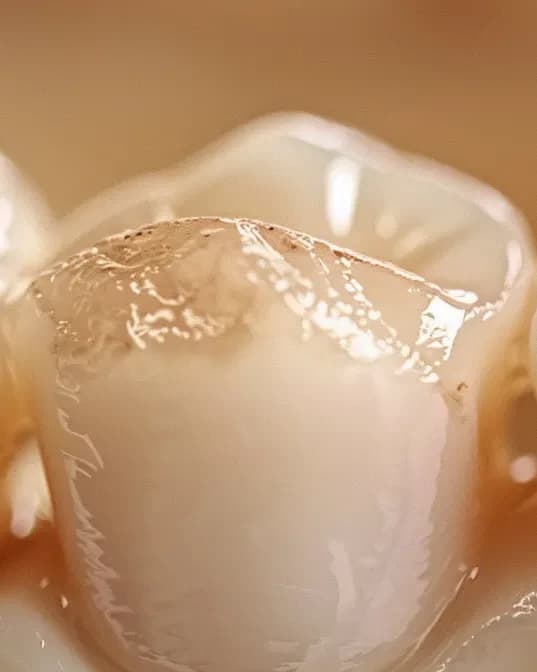
Most cavities do not hurt. A small one is usually found on checkup x-rays, not by the patient, and the first thing many people notice is a sharp twinge with ice water or dessert. A brown or black mark on a tooth, a pit your tongue keeps finding, or an old filling that has cracked or fallen out are the other common signs. By the time a tooth actually aches under pressure, the decay is often close to the nerve.
Decay starts when bacteria in plaque turn sugar into acid, and the acid eats a small hole in the enamel. Left alone, the hole grows inward. It does not heal and it does not stop. A cavity caught at a six-month checkup is a small filling; the same cavity a year later can be a crown or a root canal. That is why prevention comes first here, and why the exam, not the symptom, decides what the tooth needs.
Sound familiar?
Book a consultation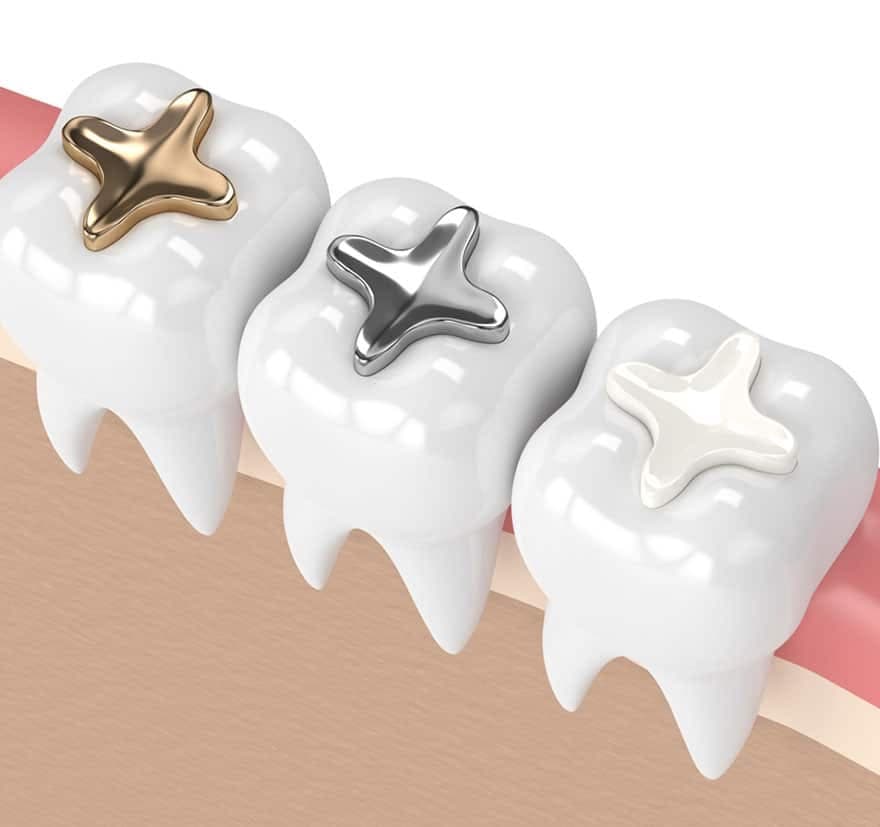
A filling while it is small, a crown when it is not
Dental fillings are the answer for most cavities. The area is numbed, the decayed part of the tooth is cleaned out, and the space is sealed with composite, a tooth-colored material matched to your enamel and placed in thin layers, each hardened with a light. Dr. Bhoompalli shapes the filling to the tooth and checks your bite before you leave. A filling is done in a single visit, and several cavities in the same area can often be treated together. A composite filling typically lasts five to seven years.
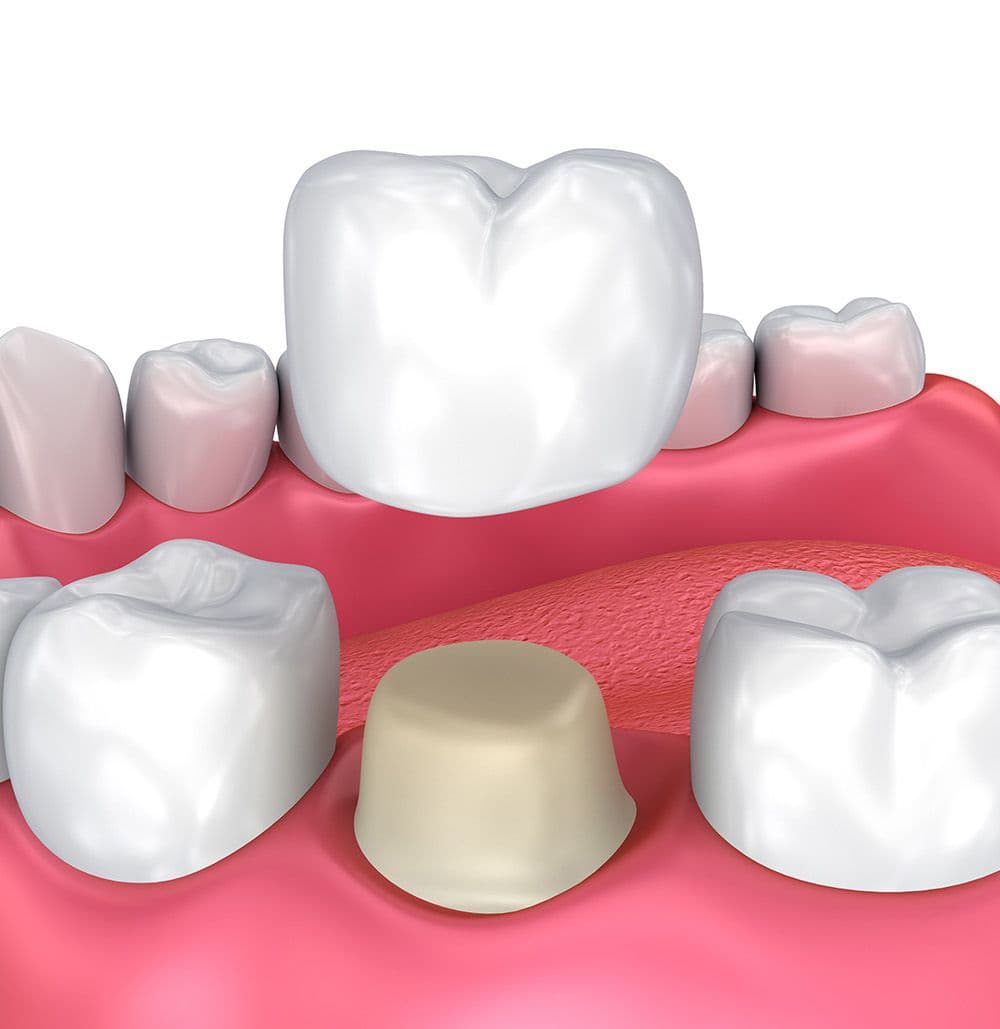
A filling needs enough healthy tooth around it to hold. When decay has taken too much of the tooth, or a filling would be bigger than the tooth around it, dental crowns take over. A crown is a custom cap that covers the whole visible part of the tooth and holds what is left together, so the tooth can take a full bite again instead of splitting. It takes two visits, with a temporary crown in between. Porcelain and ceramic match teeth that show; metal is strongest for molars. Dr. Bhoompalli takes a conservative approach: if a filling will keep the tooth sound, that is what she recommends.
When decay reaches the soft core of nerve and blood vessels inside the tooth, the pulp becomes inflamed and then infected. That is the throbbing toothache, the sensitivity to heat that lingers, the swelling in the gum. At that point a filling or a crown alone cannot fix it, because the infection is inside the tooth. Root canal therapy comes first: the infected pulp is removed, the canals are cleaned and sealed, and the pain stops because its cause is gone. A back tooth is then finished with a crown. You are fully numb before anything begins, and a tooth in pain is seen as an emergency.
Watch it, fill it, and stop the next one
Not every spot on an x-ray needs a drill. Decay caught early enough can sometimes be reversed without a filling, with fluoride, better home care, and a recheck at the next visit. Once it has broken through the enamel, it only gets bigger, and filling it small is far cheaper than filling it later. Dr. Bhoompalli will tell you which of your spots she would treat now and which she would watch, and the same goes for old silver fillings: a sound one with no decay around it can stay. Filling a cavity versus monitoring it explains how that call is made.
A filling's fee depends on the size of the cavity and how many surfaces of the tooth it covers, and most dental plans cover a portion. Crowns run $800 to $1,500 depending on the material and the tooth, and most plans cover part of a crown that restores a damaged tooth. Composite is the material used here for fillings because it bonds directly to the tooth, so less healthy enamel is removed than with amalgam. Your exact fee is set at your consultation, before anything is done, and financing and an in-house membership plan are available. If you are on the line between the two, read crown or filling.
The cheapest cavity is the one you never get. Brush twice a day with fluoride toothpaste, floss daily, limit sugary drinks and snacking between meals, and keep your six-month cleanings. Checkup x-rays, taken when they are needed, catch decay between teeth while it is still a simple filling. If it has been years since your last visit, nobody here will lecture you. A new patient exam and x-rays are currently $99, and the treatment plan that follows is built around prevention and the overall wellbeing of your mouth, not the quick fix.
The treatments we reach for.
Listed from the smallest fix up. Your exam decides which actually fits your mouth, your budget, and your patience.
Book a consultationWhere to next?
Common question
Does an early cavity need a filling or monitoring?
Learn why intact early decay and a cavity with a hole can need different care, and what to ask about monitoring or a filling.
Read the answer
Common question
Do you need a crown or another filling?
Learn how remaining tooth structure affects the choice between a filling and a crown before your Duluth dental visit.
Read the answer
Related concern
Toothache or Sensitivity
Find the cause, then the smallest fix that ends it
Explore the concern
Bring the Concern.
Leave With a Plan.
Prefer to talk? Call 770-814-7600 during office hours.
Medically reviewed by Dr. Madhavi Bhoompalli, DDS, dentist and owner at Johns Creek Family Dentistry. Last reviewed September 2026. This page is for education and is not a substitute for an examination by a licensed dentist.